
FISH AND WILDLIFE
The Fish and Wildlife Program focuses on applied ecology. Of top priority is gathering sound data on the status and distribution of both game and non-game species that persist on Tribal lands. Initial efforts have been geared towards documenting species across Tribal lands. This data is collected in such a way to be used to address the potential impacts of invasive species, land management, and future regional restoration projects on the Tribe’s fish and wildlife. The section works collaboratively with its sister sections (Forestry and Animal Wildlife Services). In this way, shared data can be used to understand the ecological processes that explain patterns observed among faunal communities found on Tribal lands. Applying rigorous scientific standards to the work carried out will allow the Tribe to have a confident understanding of the status of its natural resources and to make informed management decisions as it sees fit. Furthermore, the new section is heeding the opportunity to advance the biological sciences by exploring novel questions, representing the Tribe at scientific conferences, and promoting Tribal science both within and beyond reservation boundaries.
Program Tasks
Within the Fish and Wildlife Program is a team of invasive species biologists, who focus on documenting the presence of invasive species, implementing removal efforts, and teaching the community about these organisms and their impacts.
Mission
The mission of the Fish and Wildlife Program is to implement science-based natural resource management strategies that promote the sustainable use and resiliency of Tribal fish and wildlife resources.
Contacts
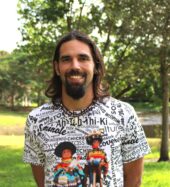
Sergio Gonzalez, Fish and Wildlife Manager


Kenneth Descheene, Biological Technician

Jonathan Pinkas, Invasive Wildlife Biologist

Mitch Barazowski, Wildlife Biologist

Thomas Kelly, Wildlife Biologist
Key Projects
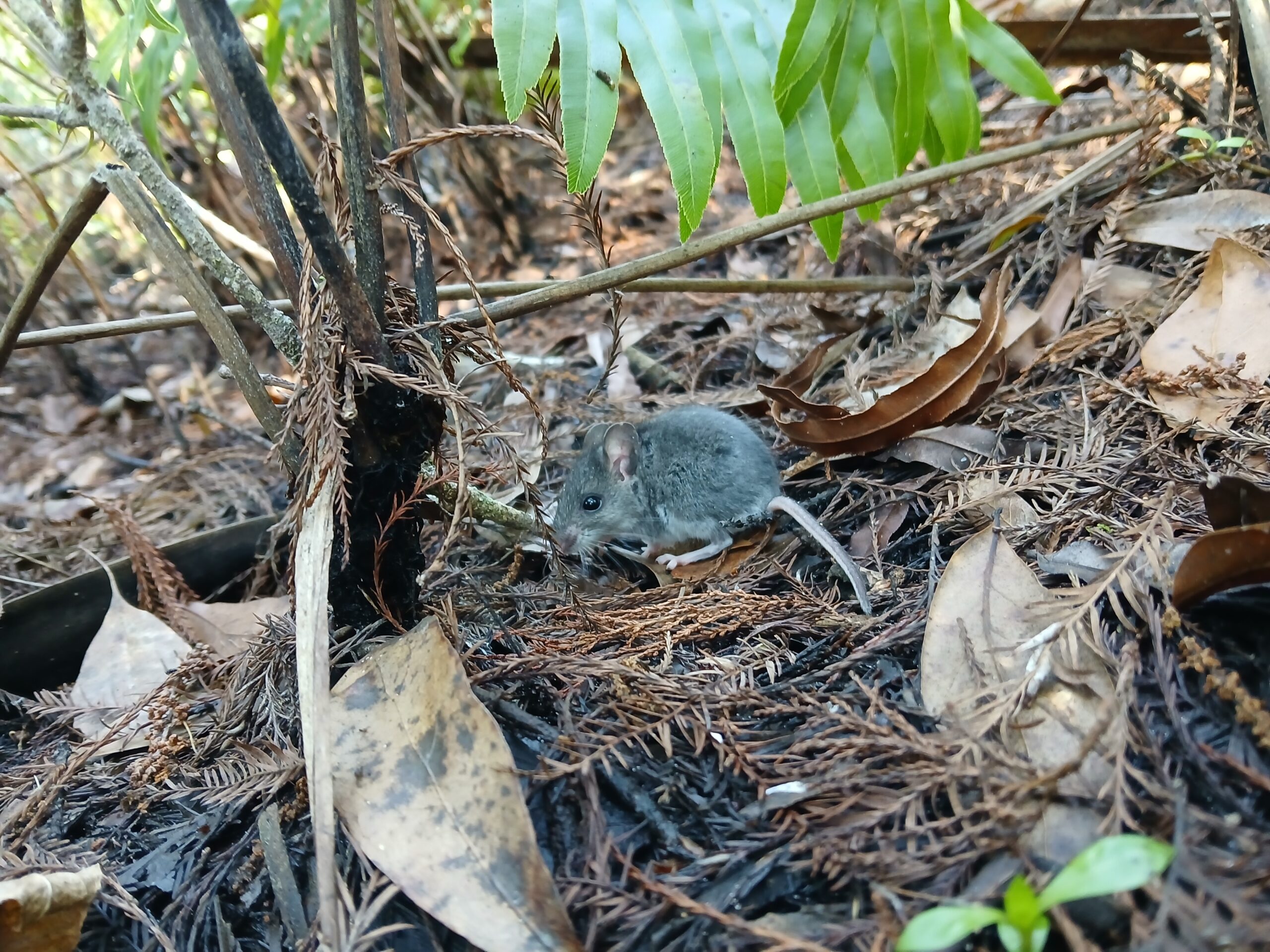
Small Mammal Inventories: To understand the status of important rodent species on Tribal lands. Small mammals are an important prey base to many other species, as well as important seed dispersers. Burmese pythons are known to have major impacts on these rodent communities. These projects allow us to gauge what impacts are felt on the reservations and how predators may be impacted indirectly by the presence of this invasive reptile.
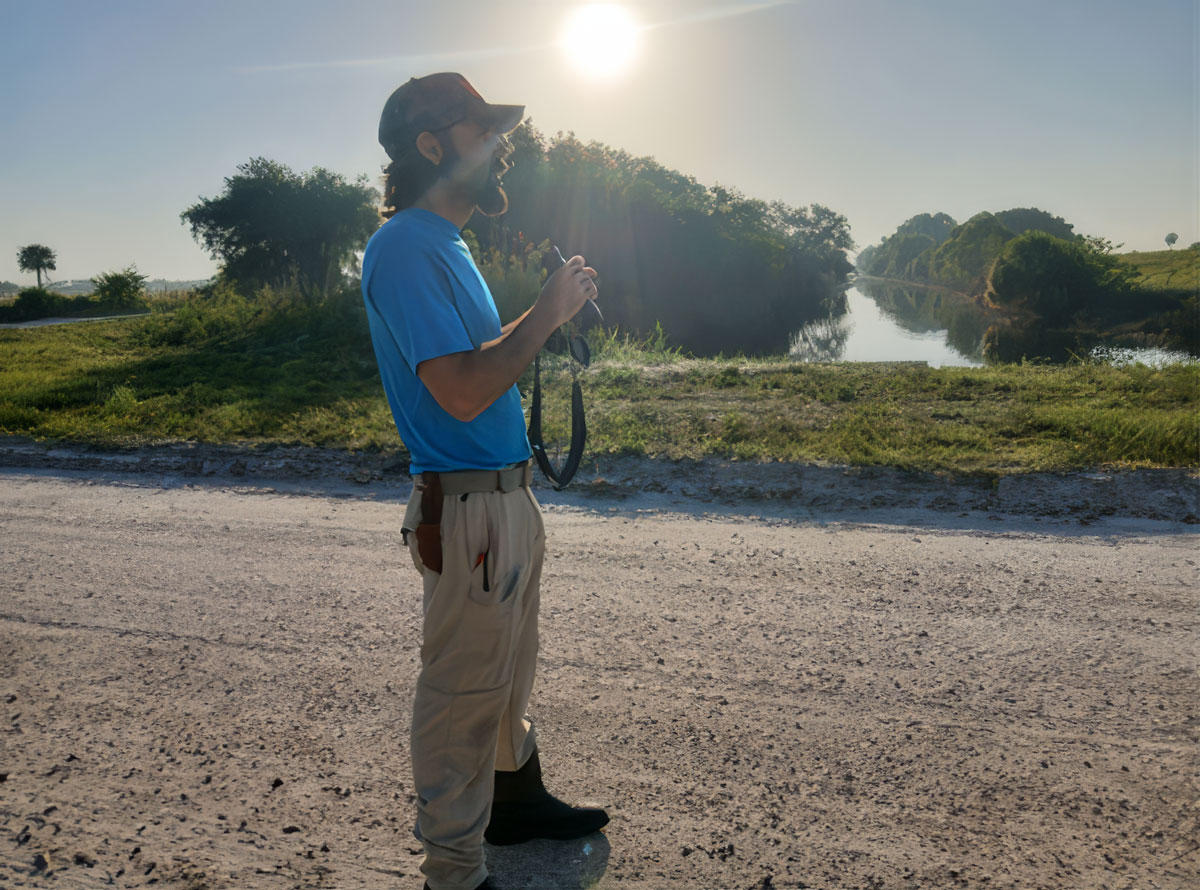
Bird Surveys: Establishing long-term monitoring routes during the migratory season and the breeding season will allow for detecting changes over time. It is not only important to document which species occupy Tribal lands year-round, but also which species consistently use the reservations during their winter migrations.
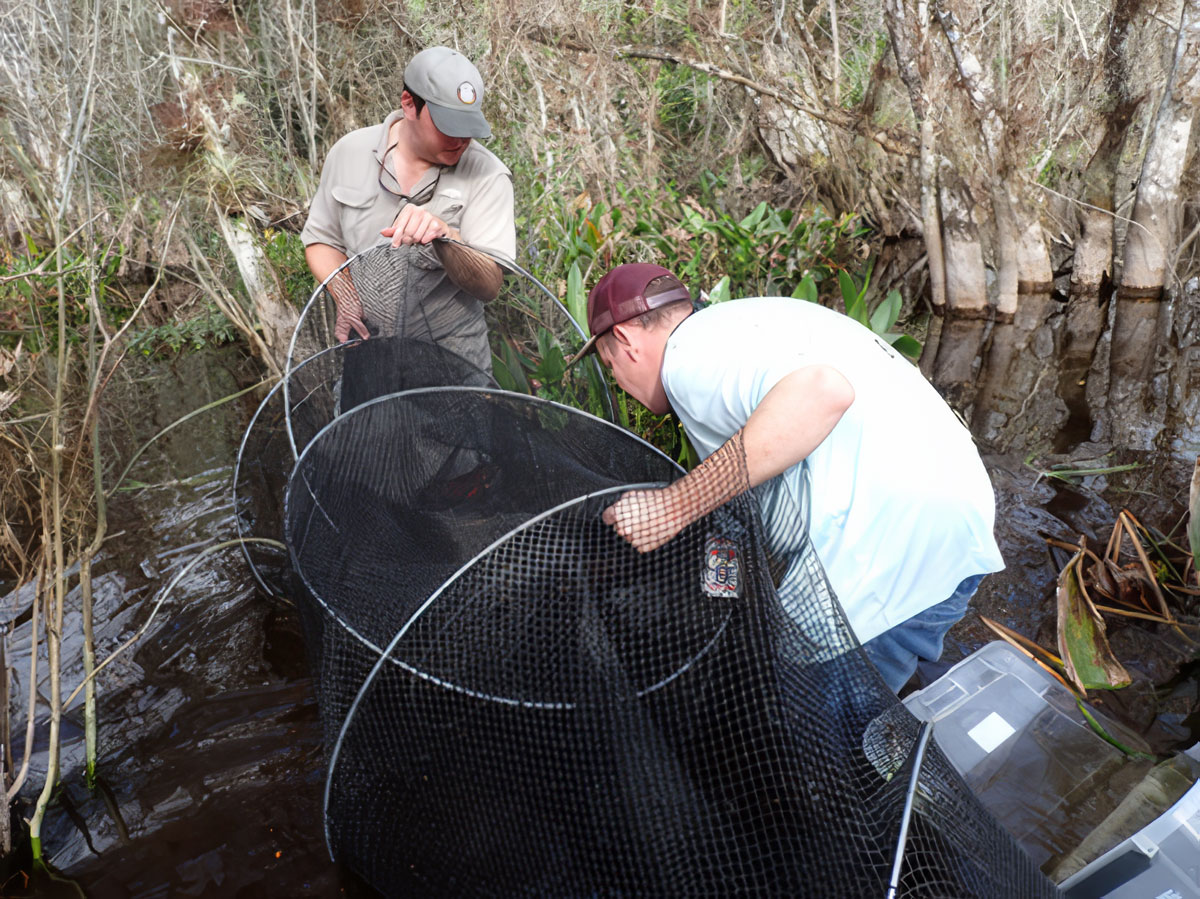
Aquatic Surveys in the Kissimmee Billie Slough: The KB Slough is major flow way through the Big Cypress Native Area. It is expected to be significantly impacted by Western Everglades Restoration. The team is focused on surveying aquatic organisms to understand which species are present in this system and how they are distributed during wet and dry seasons. Additionally, the questions of how native and non-native fish species recolonize and move through the slough over the course of the wet season are being explored. This data will allow the Tribe to assess the success of restoration efforts, as well as to understand the dynamics between native and non-native fish in the Big Cypress Native Area.
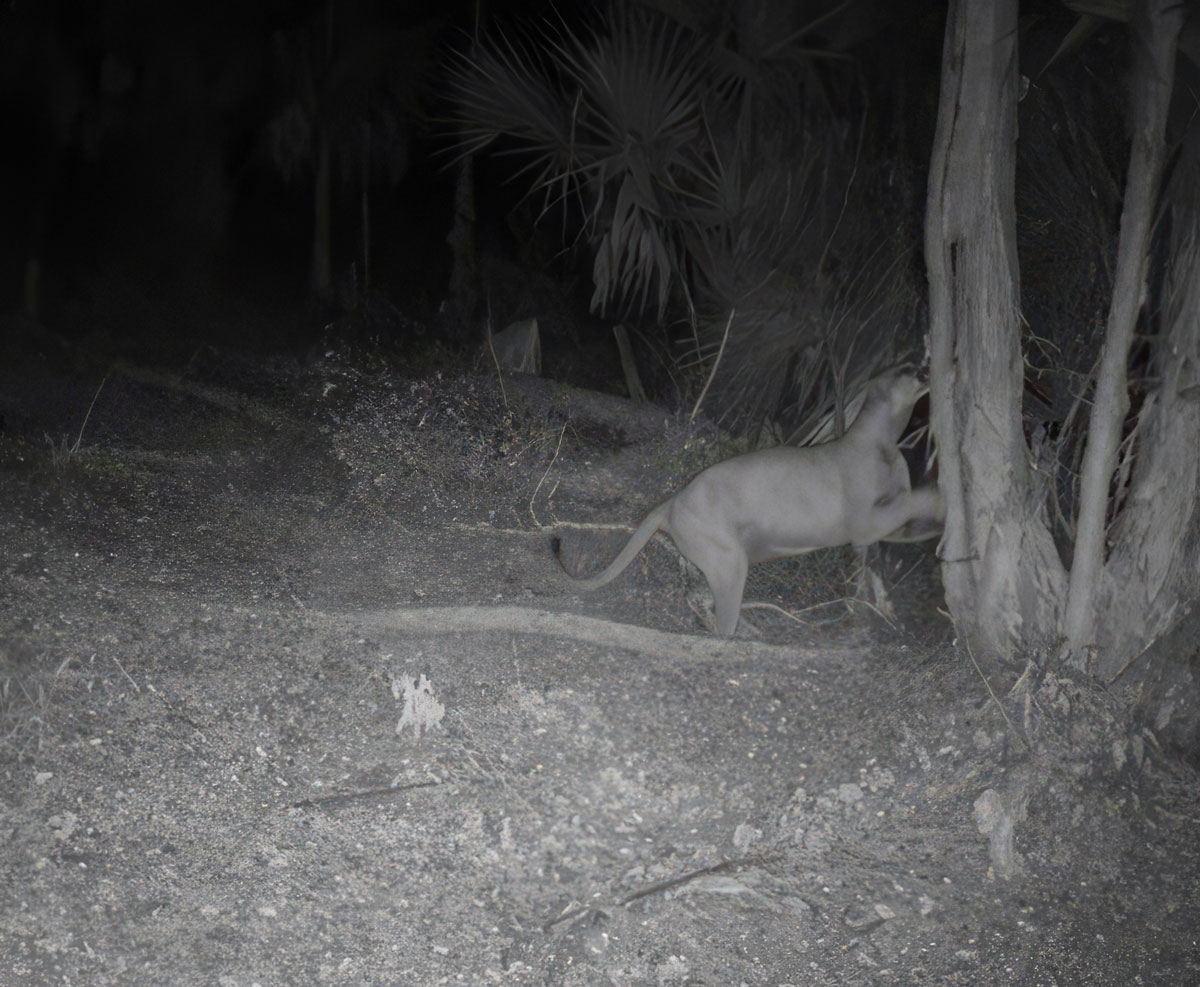
Billie Swamp Safari Long Term Monitoring: The team is busy gathering baseline data on the ecology of the Billie Swamp Safari footprint. As exotic animals and vegetation are set to be removed from the area, the Fish and Wildlife Section is taking advantage of this large-scale experiment to track how native communities respond to restoration efforts. This project will combine long-term camera trapping, small mammal trapping, vegetation surveys, reptile and amphibian surveys, and bat acoustic monitoring.
Fish and Wildlife: Photos/Highlights
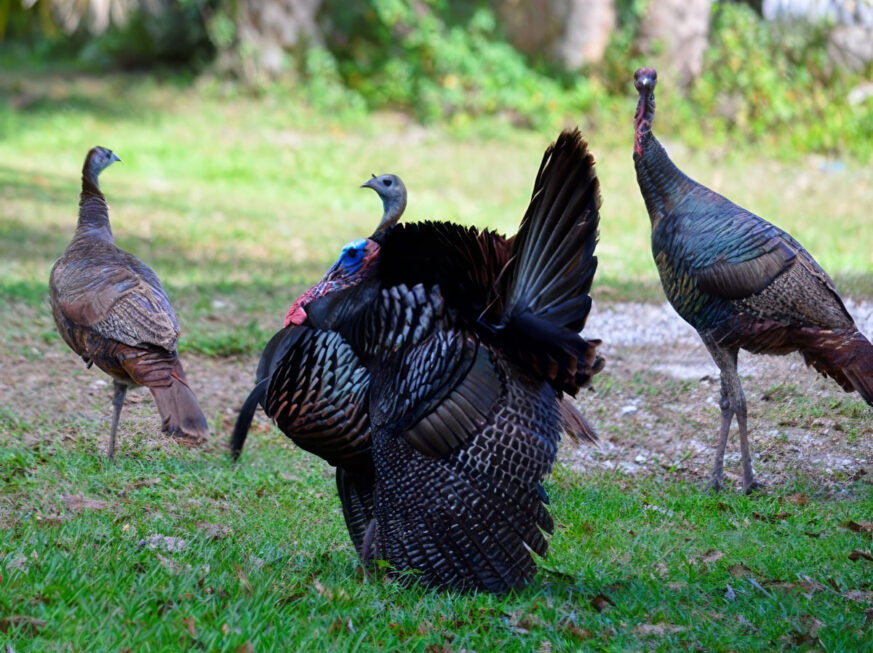
Wild turkeys on the Reservation.
A mother bear and her cub caught on the wildlife camera.
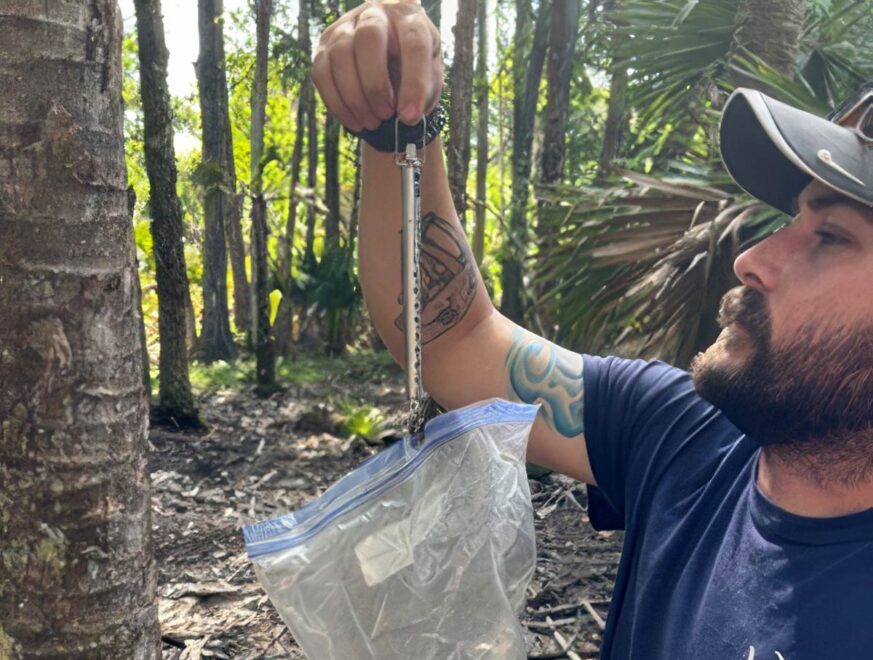
Mr. Thomas Kelly, Wildlife Biologist, weighs a small mammal in a Ziploc.
A bobcat is caught on camera.
ENVIRONMENTAL PROTECTION OFFICE
Dr. Paul N. Backhouse
Environmental Resources Department
Whitney Sapienza | Director
Department of Conservation
Dr. Craig van der Heiden | Director
External Environmental Compliance
Stacy Myers | Director
Water Resources
Alfonso Tigertail | Director


PHONE
(954) 966-6300
ADDRESS
1601 NW 136th Avenue,
Suite A100, Sunrise, FL 33323